In a stunning and unprecedented gesture of accountability and fan-first commitment, the Detroit Lions have announced a bold new initiative: the team will refund fans the full cost of their tickets for any regular-season home losses at Ford Field in the 2025 NFL season. The total value of the promise? A staggering $112 million. It’s a headline-grabbing move that has the sports world buzzing and Lions fans from Motown to Michigan’s Upper Peninsula raising their eyebrows—and their expectations.
The promise, announced via the team’s official website and social media platforms, comes at a pivotal moment for the franchise. After decades of underperformance, heartbreak, and rebuilding efforts, the Lions have finally found themselves on the cusp of sustained success. Led by head coach Dan Campbell and quarterback Jared Goff, Detroit surged to a historic playoff run in 2023 and narrowly missed the Super Bowl. The promise to refund fans if the team loses at home in 2025 marks a new frontier in transparency and confidence—and perhaps a new era for one of the NFL’s most resilient fanbases.
The bold refund initiative is the brainchild of team owner Sheila Ford Hamp and President Rod Wood, who have increasingly embraced a progressive and fan-focused vision for the Lions’ future. According to the organization, the $112 million figure is based on estimated total ticket revenue for eight home games, including season tickets, single-game tickets, luxury suites, and club-level seats. If the Lions were to lose all eight home games in 2025—a nightmarish scenario—every fan who purchased a ticket directly from the team would receive a full refund.
“This is about faith—our faith in our team, and the faith our fans continue to show us,” said Ford Hamp in the official statement. “We believe in the direction of this franchise, and we believe it’s time to be bold. The people of Detroit deserve greatness. They deserve commitment. And they deserve to know that when they put their hard-earned money into this team, we’re going to put everything on the line to deliver a product that makes them proud.”
The policy applies only to regular-season home games and will not include preseason matchups or playoff contests. Fans must purchase tickets through official team channels to be eligible. Refunds will be issued within 30 days of a qualifying home loss and can be credited back to the original method of payment or rolled into a future ticket credit at the fan’s discretion.
The sports world is already reacting. Some are calling it a marketing masterstroke—a way to galvanize a passionate base while signaling supreme confidence in the team’s ability to win at home. Others have expressed skepticism, wondering whether the financial risk is justified or sustainable. But make no mistake: no NFL team has ever attempted a fan refund policy of this scale, and if the Lions pull it off, they may alter the way teams engage with their communities.
“What the Lions are doing is game-changing,” said longtime NFL insider Adam Schefter on ESPN. “You’re talking about putting $112 million on the line, not just in theory but in real dollars. You’re telling fans, ‘We’re not just going to talk about loyalty—we’re going to prove it.’ That resonates. And it puts pressure on the team to perform.”
The move also comes at a time when NFL ticket prices are at an all-time high and fan trust is increasingly elusive in professional sports. Dynamic pricing, parking costs, and in-stadium concessions have made the live game experience financially challenging for many working-class fans. By offering a refund guarantee, the Lions are positioning themselves as advocates for their supporters and reinforcing a “community-first” ethos.
“This isn’t just about football,” said Lions President Rod Wood. “It’s about giving Detroit a reason to believe—not just on Sundays, but every day. We know the economic realities our fans face. We know the emotional investment they’ve made. This is our way of saying: We’re with you, we hear you, and we’re going to make sure your investment in us is honored, win or lose.”
But make no mistake: the Lions are not planning to lose.
Behind the scenes, the franchise believes this team has what it takes to dominate at home. With a top-10 defense, an elite offensive line, and rising stars like Amon-Ra St. Brown and Jahmyr Gibbs, the 2025 roster is built to contend. Jared Goff, once dismissed after being traded from Los Angeles, has revitalized his career in Detroit and now serves as a confident leader in the locker room and beyond.
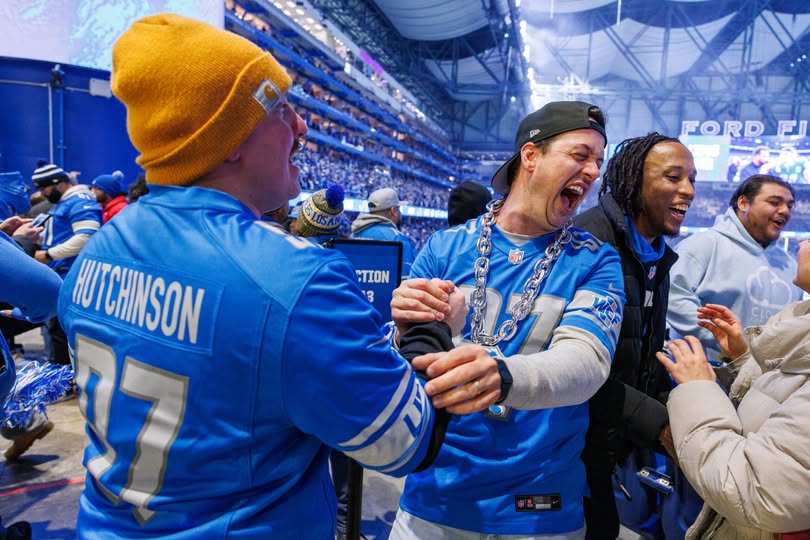
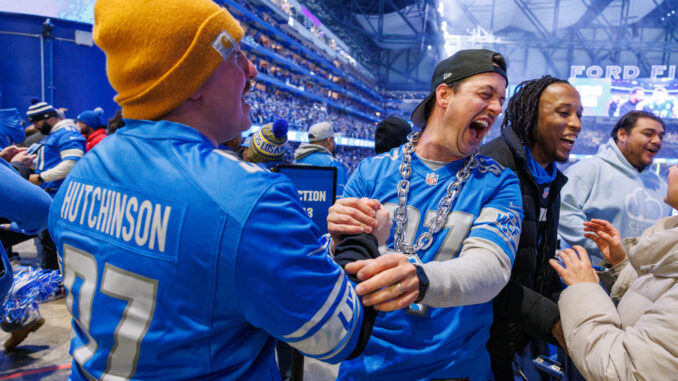
The Ford Field crowd, already one of the loudest and most loyal in the league, is expected to be even more energized by this promise. After all, every game now carries extra weight—not just in the standings, but in the wallets of thousands of fans. That means increased urgency, heightened drama, and a uniquely intense home-field advantage that could give Detroit the edge it needs to reach the next level.
Fan reactions so far have been overwhelmingly positive. Social media platforms lit up with praise, disbelief, and even jokes about buying season tickets just to hedge against potential losses.
“I’ve been a Lions fan for 27 years,” one fan posted on X (formerly Twitter). “I’ve never seen anything like this. This is OUR team now. Let’s win every game at Ford Field—and make sure the team keeps every penny.”
Another commented, “It’s a win-win: either we dominate at home, or we get our money back. Sheila Ford Hamp just dropped the mic.”
While the idea may sound risky, the Lions’ financial team has run extensive simulations and believes the odds of significant loss are minimal. According to internal analytics, the Lions have a projected home win probability of 75% in 2025. That means the team expects to refund, at most, ticket revenue for two losses—and possibly none.
And even if that math doesn’t pan out, some analysts argue the brand loyalty, national attention, and long-term goodwill generated by the initiative could easily outweigh the financial costs. In today’s hyper-connected, value-driven sports landscape, the Lions may be buying more than wins—they may be buying back belief.
This isn’t the first time the Lions have taken a bold approach under Ford Hamp’s leadership. The hiring of Dan Campbell was once seen as unconventional; his emotional, no-nonsense style drew both admiration and doubt. But Campbell has proven his doubters wrong, leading the Lions to their first playoff win in decades and injecting an unmistakable swagger into the organization. The “kneecap-biting” mentality he famously described in his introductory press conference has become a blueprint for the team’s identity—and now, it seems, the front office is taking that same aggressive mentality off the field.
So what happens if the gamble backfires? What if key players get injured? What if the magic fades, and the Lions limp to a losing season?
Rod Wood is undeterred.
“We’re not operating from a place of fear,” he said. “We’re operating from a place of belief. We believe this team is special. We believe this city is special. And we believe the fans deserve something just as bold and passionate as the way they support us.”
If the Lions deliver on their promise—both the refund offer and the performance it implies—it could spark a revolution in how sports franchises view fan relationships. And if they fall short, at least fans will know the organization put its money where its mouth is.
Either way, the 2025 season at Ford Field will be unlike any other.